Are Intelligent Mobility the Future of Transportation?
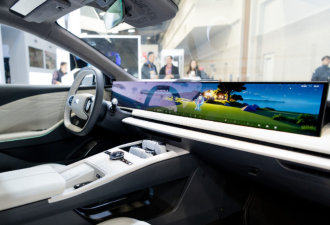
In today's rapidly developing technological landscape, intelligent driving vehicles are transforming people's travel habits at an unprecedented pace, becoming one of the most eye-catching trends in the automotive industry and the entire transportation sector. From its initial concept to the commercialization of some models, intelligent driving vehicles have not only demonstrated their enormous potential but have also brought a safer, more convenient, and more efficient travel experience in practical applications.
The Core of Intelligent Driving Vehicles
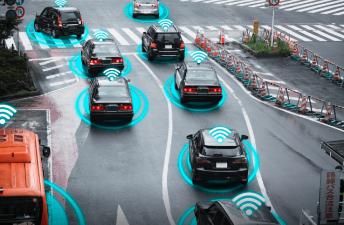
Highly integrated intelligent systems that combine cutting-edge technologies from multiple fields, including sensor technology, artificial intelligence algorithms, big data analysis, and high-precision maps. Through sensors such as LiDAR, cameras, and millimeter-wave radar, vehicles can perceive their surroundings in real time, accurately identifying the position and dynamics of roads, traffic signs, pedestrians, and other vehicles. Combined with advanced algorithms and powerful computing capabilities, intelligent driving systems can make rapid decisions, enabling automatic acceleration, deceleration, steering, and even obstacle avoidance, greatly improving driving safety and stability.
Various Forms of Intelligent Mobility
Intelligent mobility comes in many forms. Intelligent driving vehicles are among the most exciting, employing technologies such as GPS, radar, cameras, and sensors to drive by perceiving their surroundings. It features automatic following, automatic overtaking, and automatic lane changing, significantly improving driving reliability and safety. Autonomous vehicles represent a breakthrough, not only meeting people's personalized travel needs but also accelerating the development of public transportation services.
The Impact of Intelligent Mobility
As the application of intelligent mobility continues to advance, its impact and transformative effects are becoming increasingly apparent. First, the widespread adoption of intelligent mobility can effectively reduce traffic accident rates because intelligent driving vehicles have higher control precision and reaction speed, effectively avoiding human driving errors and thus reducing traffic accidents. Second, intelligent mobility can reduce fuel consumption because it can achieve more scientific energy-saving calculations and operational management based on parameters such as traffic conditions, vehicle speed, and travel time. Finally, intelligent mobility can save urban space because it can intelligently plan travel routes, reducing traffic congestion and alleviating urban traffic problems.
However, intelligent mobility also faces some challenges and difficulties. For example, intelligent mobility technology is still under development and improvement, requiring a certain market cultivation period; at the same time, intelligent mobility also needs to fully consider user privacy and security.
The Future Development of Intelligent Mobility
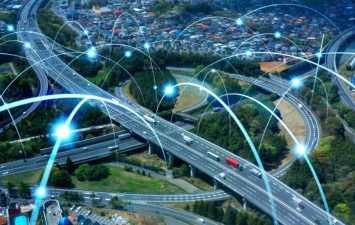
With continuous technological innovation and progress, the future development prospects of intelligent mobility are very broad. First, intelligent mobility technologies will continue to improve and upgrade; for example, the intelligence level of intelligent driving vehicles will be higher and more reliable, and the scale of driverless cars will gradually expand. Second, with the continuous improvement of people's living standards and the enhancement of environmental awareness, the transformation of people's transportation methods has begun. In the future, people will no longer only seek speed and comfort, but will be more inclined towards environmentally friendly and healthy travel methods.
Conclusion
Intelligent mobility will be one of the future trends in transportation, with broad prospects for future development. People should actively embrace the transformation and opportunities brought by intelligent mobility, while also paying attention to its inherent risks and challenges, and addressing and resolving them accordingly. In the future, intelligent mobility will bring more convenience and comfort to people's lives, and bring more impetus and opportunities to urban development.